In this guide
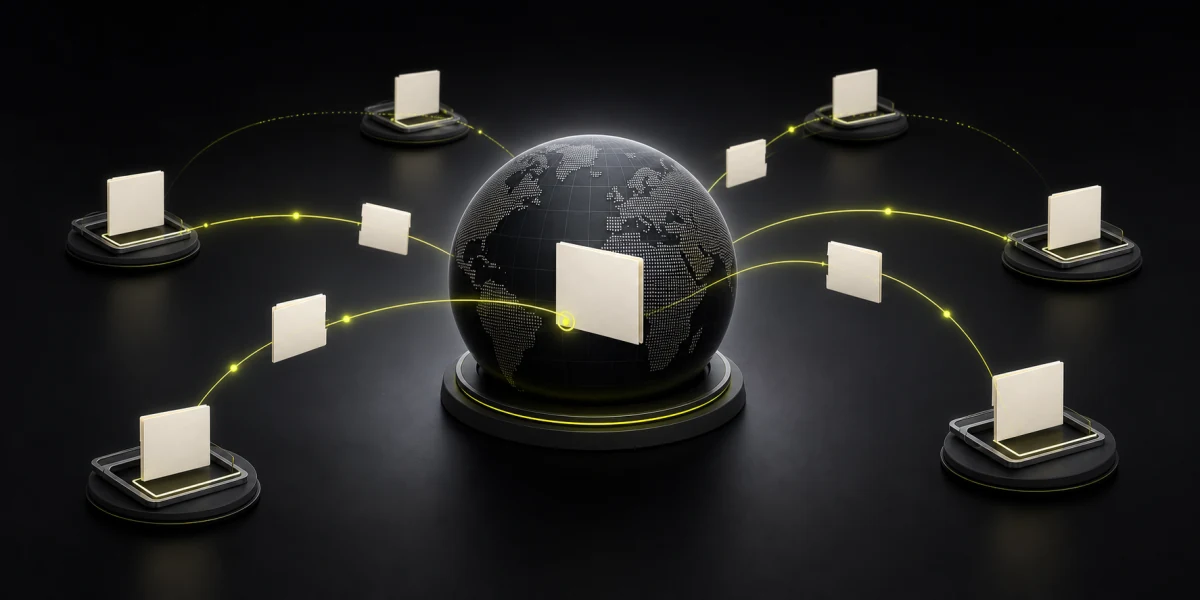
“Crypto news distribution” can mean several different products. A project may be paying for a sponsored article, syndicating a press release through a network, hiring someone to pitch journalists, or purchasing a guaranteed placement from a publication. Those options have different editorial processes, disclosure, audience value, cost, and certainty.
The first task is to name the product accurately. Distribution can place a real announcement in front of more readers and create useful reference links. It cannot guarantee independent endorsement, organic attention, token performance, exchange approval, or long-term community growth. A clear buyer understands both the deliverable and its limits.
Distinguish earned, sponsored, and syndicated coverage
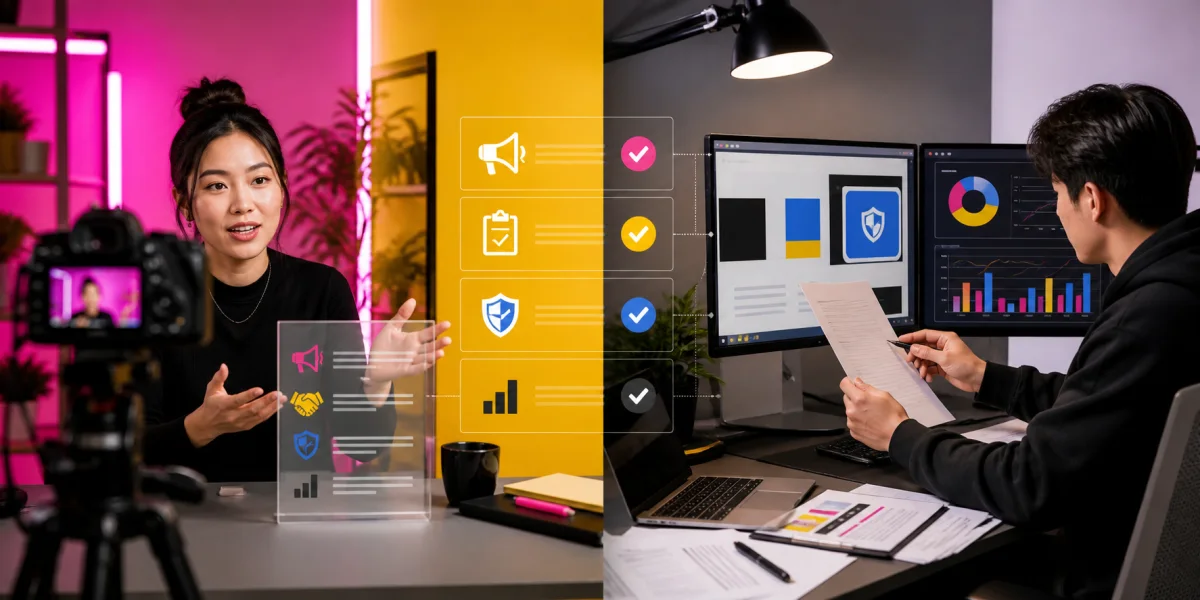
Earned coverage is selected by an editorial team because it considers the story relevant. A PR partner can research and pitch, but cannot promise the decision. Sponsored coverage is paid content published under the outlet's commercial terms and should be labeled. Syndication distributes a release or article across a network, sometimes with limited editing. A guaranteed placement is a specific paid publication arrangement.
Ask the provider to label each proposed outlet and format. A logo list without placement details is not enough. Confirm whether the article is original or duplicated, whether links are allowed, how sponsorship is disclosed, how long the page remains available, and whether changes can be requested.
- Placement type and disclosure label
- Named outlet or distribution network
- Original, adapted, or syndicated copy
- Link, image, and revision policy
- Publication timing and permanence
- Third-party and management fees
Choose a story with a clear reader
Distribution works best when the announcement contains a verifiable change and the outlet reaches people who may care. A technical integration, ecosystem fund, substantive partnership, product release, research finding, or expansion with concrete local activity can offer a story. A general project introduction may be better as owned content.
Define what the reader should do after the article: inspect documentation, try a product, understand a milestone, visit an official community, or contact the team. Choose the destination before drafting the release so links and context support that action.
Prepare publication-ready materials
Provide an approved title direction, release, company description, spokesperson quote, fact sheet, official links, images, captions, and contact. Verify names, titles, dates, token symbols, network details, product status, partner claims, and contract addresses. Keep one current folder so the publisher does not receive conflicting versions.
For a Korea-focused campaign, prepare Korean context even if the placement is in English. Explain why the announcement matters to the market and connect the article to localized owned channels. Do not add a local claim that the product team has not approved.
Ask pricing questions before approving the plan
Find out whether writing, translation, editing, images, placement, syndication, reporting, and revisions are included. Some outlets charge separately, and availability can change. Clarify what happens if the target rejects the article or misses the desired date. A substitute should be approved by the foundation rather than chosen automatically.
BlockPlanet's estimate currently lists global news distribution at 500 USDT as an initial reference. Specific outlet availability, format, cost, language, and timing should be confirmed for each request. The estimate should not be read as a promise of editorial coverage in any named publication.
Coordinate launch-day operations
Prepare X and Telegram copy, moderator notes, spokesperson availability, tracking links, and a complete owned article. Check the published page for factual errors, image problems, and links as soon as it goes live. If a correction is required, use the publisher's process and update owned channels when the change is material.
Avoid posting the same line repeatedly across every channel. X can isolate the most interesting idea, Telegram can explain community relevance, and Medium can provide detail. The distributed article is one part of the information path.
Report placement quality and downstream response
Record the live URL, publication type, disclosure, date, referral traffic, link behavior, social conversation, community questions, and relevant inquiries. Traffic estimates from third-party tools should be identified as estimates. Do not combine paid placements and earned articles into one undifferentiated count.
Evaluate whether the campaign made the announcement easier to discover and understand. A placement can be useful for credibility, partner communication, or search even when it does not create a dramatic traffic spike. The reporting should explain what happened and what the project will change next.
Talk to BlockPlanet
Need content that earns attention and survives review?
We can connect source-backed writing, localization, PR, KOL coordination, landing pages, and measurement in one publishing workflow.
- Content & localization
- PR distribution
- KOL coordination
Frequently asked questions
Does news distribution guarantee coverage?
Paid or syndicated products may guarantee defined placements. Earned editorial coverage cannot be guaranteed. Ask the provider to distinguish the format for every outlet.
Will a distributed crypto article rank in search?
No ranking can be promised. Search visibility depends on the publication, content, competition, links, technical factors, and time. Build a useful canonical source on your own site as well.
What should a distribution report include?
Include live URLs, publication and disclosure type, dates, referral data, link behavior, social and community response, corrections, and relevant next actions.